4.7 - Biofuels
Are biofuels carbon neutral?
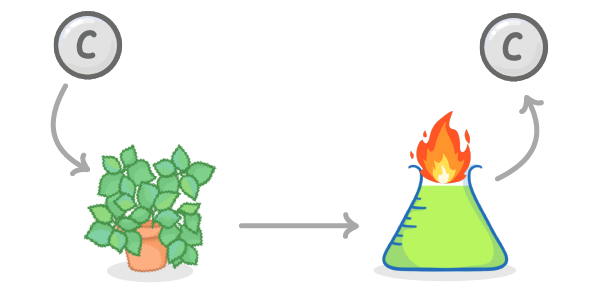
Biofuels are often described as carbon neutral because the overall change in atmospheric carbon dioxide (CO2) from using them is claimed to be zero:
- Plants absorb CO2 from the atmosphere during photosynthesis as they grow.
- When the biofuel is burnt, that same amount of CO2 is released back into the atmosphere.
Why the claim is debated
- In practice, biofuels are rarely completely carbon neutral:
- Fossil fuels are burnt by machinery during the growing, harvesting, transporting and refining processes, releasing extra CO2.
- Forests are sometimes cleared to grow biofuel crops, which releases stored carbon and destroys habitats.
- Despite this, biofuels still have a significantly lower carbon footprint than fossil fuels.
Advantages and disadvantages of biofuels
| Advantages | Disadvantages |
|---|---|
| Reliable - crops grow relatively quickly and can provide a steady, continuous fuel supply. | High cost of refining and processing biofuels. |
| Can be stored - fuels can be stockpiled to respond to changes in demand. | Fuel crops take up land and water needed for food production. |
| Renewable and produce less net CO2 than fossil fuels. | Deforestation to clear land for crops destroys habitats and releases CO2 and methane. |
TermDefinition
Carbon neutralA process that has no overall effect on the amount of carbon dioxide in the atmosphere.
BiofuelA renewable energy resource made from plant materials or animal waste.